
First post of 2026!
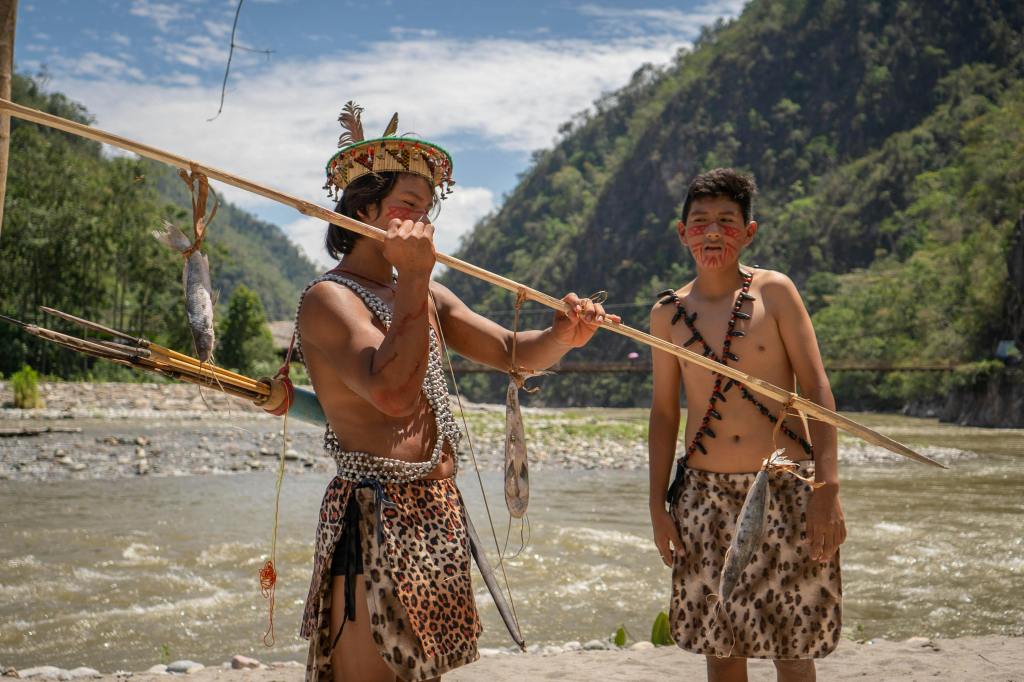
For generations, farmers across different cultures have found various ways to live off the land, either through unique farming practices or ways to sustainably manage their environments. For example, many indigenous people hold deep respect for nature expressed through folklore, songs, hymns and rituals, while establishing strict rules to prevent overharvesting the land. Nomads knew to let the land “rest” regularly, even before ecologists knew how letting the land rest allowed it to replenish soil nutrients. The Kuikuro tribe in the Amazon found a way to make terra preta – a dark, extremely fertile soil that allowed them to grow crops despite the largely infertile soils of the Amazon forest. All these endeavors were achieved far before the advent of modern science as we know it; yet they found ways to make it work.
Today, society is faced with many of the same problems regarding how we grow food and how to manage the ecosystems we value. Yet, our approach has completely shifted. Hot research topics in biology and ecology include investigating extremely niche, high-tech solutions to squeeze productivity out of our soils and crops. We sample, characterize and even genetically alter soil microbes to induce crops to grow just a bit faster. Researchers genetically modify strains of crops so that we can grow them off-season, instead of simply growing other varieties that are better adapted to diverse environmental conditions. Indigenous communities carefully managed forests for thousands of years, yet our approach to conservation today is to kick them out of the land and exclude everyone else from entering. Only recently did we learn from indigenous savannah populations that occasional, controlled wildfires reduce fuel loads and the risk of a catastrophic wildfire, compared to preventing fires altogether.
How did we get here, despite all our technological and scientific prowess?
Ecological folk wisdom
As modern-day scientists continue to approach biology and ecology with their shiny new molecular tools and ecological frameworks, a separate group of ecologists, sociologists and anthropologists have shifted their attention to a different source of knowledge of the natural world. Enter the field of traditional ecological knowledge (TEK).
What does this field entail? Unlike most modern-day scientific fields of inquiry, TEK emphasizes drawing observations and seeking knowledge in a way that mimics how social scientists study people and communities. The field largely relies on methods derived from the social sciences, such as interviewing indigenous people, surveying their land management practices and relying on the wisdom and experience of locals to understand native flora and fauna. Notably, these methods rarely align with those used in modern biology and ecology that require testable hypotheses, proper experimental controls and careful manipulation of one’s experimental settings. Instead, what TEK studies attempt to do is to collect and harness the “wisdom” of the locals. For example, this paper by Dr. Huntington gave several case studies on documenting and harnessing TEK in areas of ecology and conservation. For a more layman example, TEK could be thought as any form of knowledge or understanding of the natural world that falls outside the purview of modern biology. Think of the deep respect and understanding of the natural world held by the Powhatan tribe in the Disney movie Pocahontas, for example.
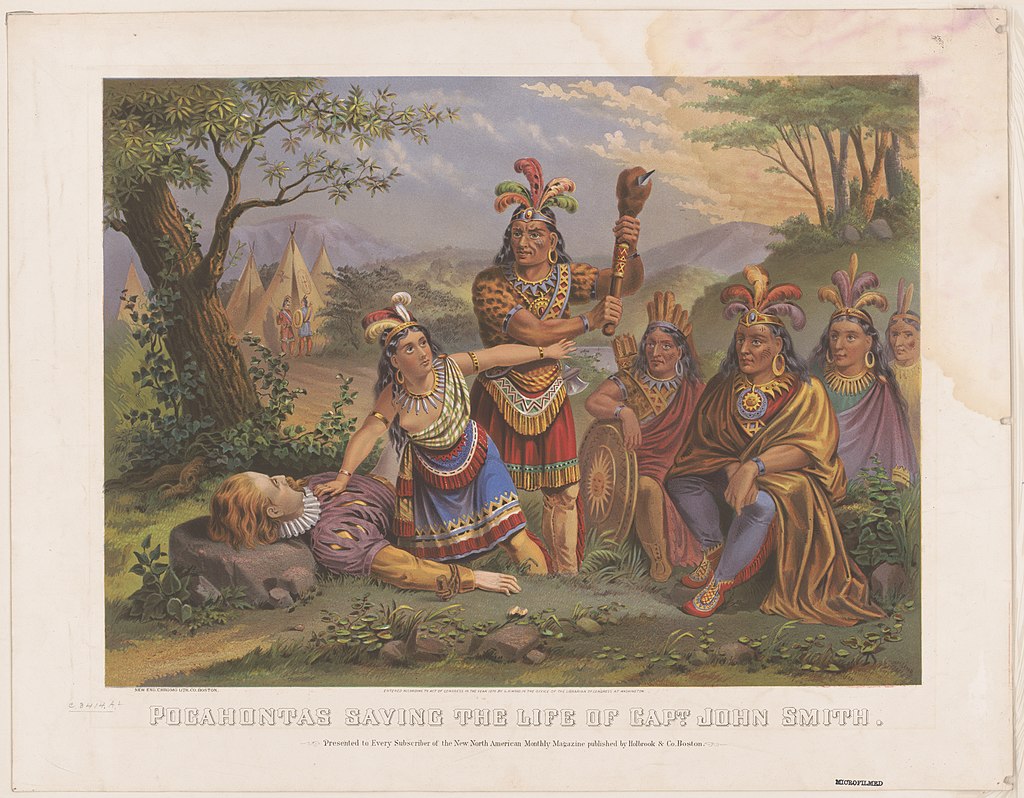
I can’t put a shot from the actual movie because of copyright, but the Disney movie is easily searchable online.
Just because such knowledge is not subject to our modern standards of scientific scrutiny does not immediately imply such knowledge is “unscientific” or half-baked. As an example, I had had the luxury of travelling to Sri Lanka early in my undergraduate days for a field course before the country unfortunately spiraled in recent times. There, I got to meet local field staff at Sinharaja nature reserve – many of whom have dedicated their lives surveying remote tropical forests and could identify every tree and animal without referencing a biodiversity guide or key. Those were truly amazing experts who could tell you which animals showed up at different times of the year and what order trees flowered throughout the year. No prestigious ecology journal today would be interested in a paper that purely documents their anecdotal knowledge. Yet, their knowledge is indispensable when it comes to planning conservation strategies for local ecosystems. Such TEK also extends to other aspects of the natural world – knowledge of medicinal herbs and edible plants, managing pests on farmland without the use of modern agricultural pesticides and tools, sustainable grazing practices, etc. These TEK, however “unscientific”, have stood the test of time and served communities for generations before our own.
Over-romancing ecological folk wisdom
At the same time, I do not want to give a false impression that our ancestors always got it right and we don’t. There is, of course, a danger in over-romancing TEK to the point where we blindly trust unverifiable sources of information and risk doing harm to ourselves and ecosystems in the process. A classic example in the modern era is the advent of alternative forms of medication and cures, such as homeopathy and traditional Chinese medicines (TCMs). When subject to rigorous, double-blind clinical trials, many of these alternative medicines fail to register any conclusive health benefits. Yet, there’s plenty of demand on the market for these medicinal products ranging from turtle shells to deer horns to pangolin scales, often resulting in significant damage to biodiversity. When it comes to health claims, it is good to remember that our ancestors who espouse natural cures to various ailments would not have kept records of the success rates of said cures, and they’re not going to tell you how many of their kind died before they found a “cure”. The clinical trial phase of modern medicine exists for a good reason…
Understanding the natural world remains a highly subjective process even till today, and even more so for the people who came before us. What this means is our ancestors are not always “environmentally-conscious”, and they may adopt alternative perceptions of the natural world that don’t align with our conservation values (e.g. for religious or spiritual reasons, or purely out of negligence). For example, indigenous forest communities have hunted several primate species to local extinction. Whaling remains a sacred tradition of the Makah tribe for over a millennium. And like any human elsewhere on earth, indigenous people can be tempted by short-term monetary gains to the point of selling off their lands to make some quick bucks. It’s hard to be environmentally-conscious when one needs to put food on the table…
There is no way to color TEK as a strictly superior or inferior approach to ecological and ethnobiological knowledge. What is prudent, however, is to recognize TEK as an authentic source of information alongside our scientific methodologies, and to tap on both to improve our understanding of the natural world through multiple avenues.
Closing thoughts
Can we incorporate TEK into our current scientific disciplines to manage biodiversity and ecosystems in newer, more sustainable ways? It’s complicated…
Personally, I believe we have far more to gain by actively documenting and integrating TEK into the way we manage ecosystems and grow our food than by relying on our most sophisticated – yet expensive and inaccessible – technologies to artificially manipulate natural processes in pursuit of marginal increases in crop productivity. I am not confident that we are close to another breakthrough in ecology or biology that can bring us out of the ecological crisis we are in. In fact, given the global impediments to scientific research and the urgency of climate change at the moment, it is arguable that the resources and money spent on fancy technologies such as molecular biological research could be better spent harnessing TEK to develop cheaper, more sustainable solutions to the world’s ecological and agricultural problems. For example, instead of trying to use molecular methods to genetically craft out drought-resistant versions of commercial staples, why not take a page from indigenous communities (and hopefully compensate them accordingly!) and promote the cultivation of known drought-tolerant strains instead? Similarly, instead of expending precious resources trying to recreate the perfect consortium of microbes in the lab to restore soil health, why not follow tried-and-tested ancient farming practices such as crop rotation and intercropping instead? Finally, indigenous communities have lived in harmony with the native wildlife around them for eons. Why not simply…let them, instead of intervening with blunt, crass policies such as setting exclusion zones and evicting the original stakeholders of the land?
Perhaps my skepticism for resource-intensive, molecular-heavy biological research stems from a place of ignorance. Maybe there are real merits to going through the high-tech route to engineer new plant lines or create new biofertilizers. Only in the last few decades did we even have the option to use biotechnology to reveal the fundamental mechanisms of life’s processes, ranging from the machinery that controls plant growth, to the community of bacteria that colonizes the guts of animals. Surely such knowledge is valuable in itself. But I am still unsure if this necessitates investing in huge volumes of resources to create expensive, inaccessible biotechnological solution to ecological problems when the solutions might already exist in some indigenous agrarian communities that we have neglected to consult. Clearly, the former is FAR more heavily funded compared to the latter. Yet, I’m not convinced of the ROI of the former at the moment…
As always, let me know your thoughts! I’ll be especially eager for other molecular ecologists to weigh in on the ethics of pursuing high-tech molecular research and biotechnology versus exploring sustainable environmental and agricultural solutions via TEK.





 Forests vs faith
Leave a comment